DR. DESS RESOURCE LIBRARY ✦ DOCTOR OF PHYSICAL THERAPY ✦ MOVE WITH CONFIDENCE

Dr. Dess's physical therapy resource library

Feeling dizzy or off-balance?

A plain-language learning hub for understanding balance, common vestibular PT interventions, and what a personalized evaluation may include.

Tap into movement

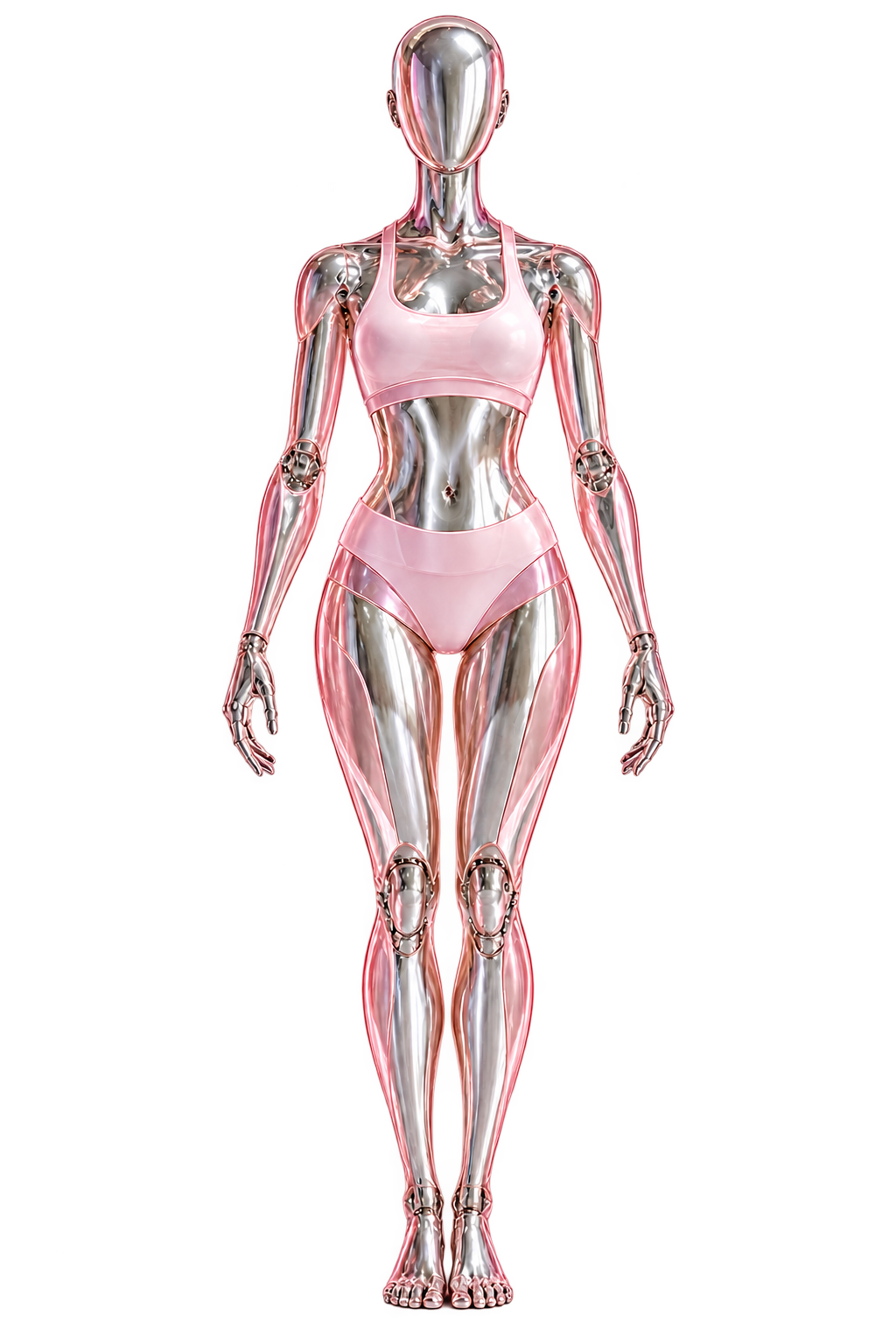
Your body is a connected system

Select a glowing point to explore how different areas contribute to movement, posture, and balance.

Pink and chrome full-body model used to explore areas involved in movement and balance
01 / 06

Head + senses

Orientation starts here

Vision, the vestibular system in the inner ear, and body-position signals work together to help the brain understand motion and orientation.

This visual is educational and does not diagnose a condition or replace an individual evaluation.

Know the signs

When to see a vestibular PT

Vestibular physical therapy may help when dizziness or balance problems show up in these ways.

The treatment toolbox

What physical therapy intervention can look like

Intervention is the active plan that follows an evaluation. The exact mix depends on the exam, the suspected condition, safety, and the person's real-life goals.

01PT TOOL

Gaze stabilization

May be considered forBlur or dizziness when the head moves

Head-and-eye exercises may train the vestibulo-ocular reflex—the automatic system that helps keep vision steady during movement.

Goal: Clearer vision with head motion

02PT TOOL

Habituation + motion tolerance

May be considered forSymptoms triggered by selected movements or busy visual spaces

Carefully chosen, repeated exposure can help the brain become less sensitive to movements or environments that have been avoided.

Goal: Return to everyday movement

03PT TOOL

Balance + gait training

May be considered forUnsteadiness, falls risk, or difficulty walking

Practice may progress from steady standing to walking, turns, changing surfaces, reduced vision, obstacles, or a second task.

Goal: Safer, more adaptable mobility

04PT TOOL

Canalith repositioning

May be considered forA confirmed pattern of positional vertigo such as BPPV

A clinician may use a sequence of head and body positions to guide displaced inner-ear crystals out of the affected canal.

Goal: Condition-specific symptom relief

05PT TOOL

Strength + conditioning

May be considered forWeakness, stiffness, fatigue, or reduced activity

Strength, flexibility, posture, and endurance work can support the musculoskeletal system that helps the body recover from a loss of balance.

Goal: More capacity for daily life

06PT TOOL

Falls education + home practice

May be considered forWhen symptoms affect safety or confidence

A plan may include home-safety changes, pacing, footwear or assistive-device guidance, and exercises chosen for the individual—not copied from a generic routine.

Goal: Carry progress beyond the clinic
Important: These are categories of care, not a do-it-yourself exercise list. Canalith maneuvers and vestibular exercises should match the exam findings, involved side or canal, health history, and falls risk.

What to expect

A visit built around your balance

01

Listen + screen

Your PT reviews when symptoms started, what triggers them, your medications, falls, daily challenges, and the goals that matter to you.

02

Test the systems

The exam may look at eye movements, head-motion tolerance, sensation, strength, walking, posture, and static and dynamic balance.

03

Match the plan

Findings guide the mix of education, exercise, movement retraining, safety strategies, and condition-specific care.

04

Recheck + progress

Your PT tracks symptoms and real-life function, then adjusts difficulty, support, and the home program as you improve.

Knowledge builds confidence

Questions worth asking

Open each note for a quick, plain-language answer—and bring your own questions to an evaluation.

01Why isn’t every dizziness program the same?

Dizziness and imbalance can involve the inner ear, vision, sensation, strength, circulation, medications, the nervous system, or more than one factor. The examination helps a clinician decide which findings are appropriate for physical therapy and when another provider should be involved.

02Can vestibular exercises make me feel a little dizzier?

Some gaze-stability or habituation exercises are intentionally dosed to create a mild, short-lived symptom response. The right movement, speed, repetitions, rest, and safety setup are individual. Tell your clinician about new, severe, or lasting symptoms rather than pushing through them on your own.

03How does a PT know whether treatment is working?

Progress can be tracked through symptom patterns, gaze and postural stability, walking and balance tests, falls, confidence, and the activities you want to return to. Your plan should change as your abilities and goals change.

04What should I bring to an evaluation?

Bring a medication list and notes about when symptoms happen, how long they last, what makes them better or worse, hearing or vision changes, recent falls, injuries, and your most important activity goals. Specific examples make the first visit more useful.

05Does dizziness always come from the inner ear?

No. Balance depends on information from the eyes, vestibular system, body-position sense, muscles, joints, circulation, and brain. Because the word dizziness can describe several different sensations, a careful history and appropriate screening matter.

Keep learning

Trusted reading desk

These links informed this guide and offer deeper patient and clinical education.

Educational review updated September 2026.

Ready when you are

Direct access or physician referral. Both welcome here.

Connect with FYZICAL Therapy & Balance Centers in Baton Rouge to learn more.

FYZICAL Therapy & Balance Centers 225-256-3828 BatonRouge@FYZICAL.com